
Czech Technical Translations in New York for Environments Where Precision Is Mandatory
In New York City, technical systems operate continuously and at scale. Buildings rise while occupied, transportation networks are upgraded without stopping traffic, and digital infrastructure processes vast volumes of data in real time. In such a setting, technical language is not explanatory in nature; it is operational. It instructs, regulates, specifies, and constrains. Our high-end technical translations from Czech into English and from English into Czech are developed for this environment, where accuracy is not aspirational but compulsory.
The everyday technical reality of Czech–English translation in New York is grounded in coordination. Engineers, architects, developers, manufacturers, and system designers collaborate across borders, often under strict timelines and regulatory frameworks. Czech technical documentation enters New York through project tenders, engineering specifications, system descriptions, compliance documentation, and operational manuals. These texts are not read casually. They are consulted in moments where clarity determines whether work proceeds efficiently or stalls.
Historically, Czech technical expertise has intersected with New York’s industrial and infrastructural development through engineering partnerships, manufacturing supply chains, and technology transfer. Translation in this context evolved as a functional necessity. It was never sufficient for a document to be broadly understandable. It had to be exact, internally consistent, and usable without interpretation. That standard remains unchanged.
When translating from Czech into English, we work within the conventions of technical English as it is used in New York. This register values explicit structure, controlled terminology, and procedural clarity. We translate Czech technical texts into English that aligns with established professional norms, ensuring that specifications, instructions, and constraints are expressed unambiguously. The language is formal, precise, and purpose-driven. It does not attempt to persuade or embellish. It exists to be implemented.
English-to-Czech technical translation presents a distinct set of challenges. American technical documentation frequently relies on standardized phrasing and implicit assumptions familiar to domestic professionals. Translating such material into Czech requires careful explication of meaning without introducing redundancy. We render English technical texts into Czech that is rigorous and terminologically accurate, ensuring that Czech engineers and technicians receive documentation that is both complete and practical.
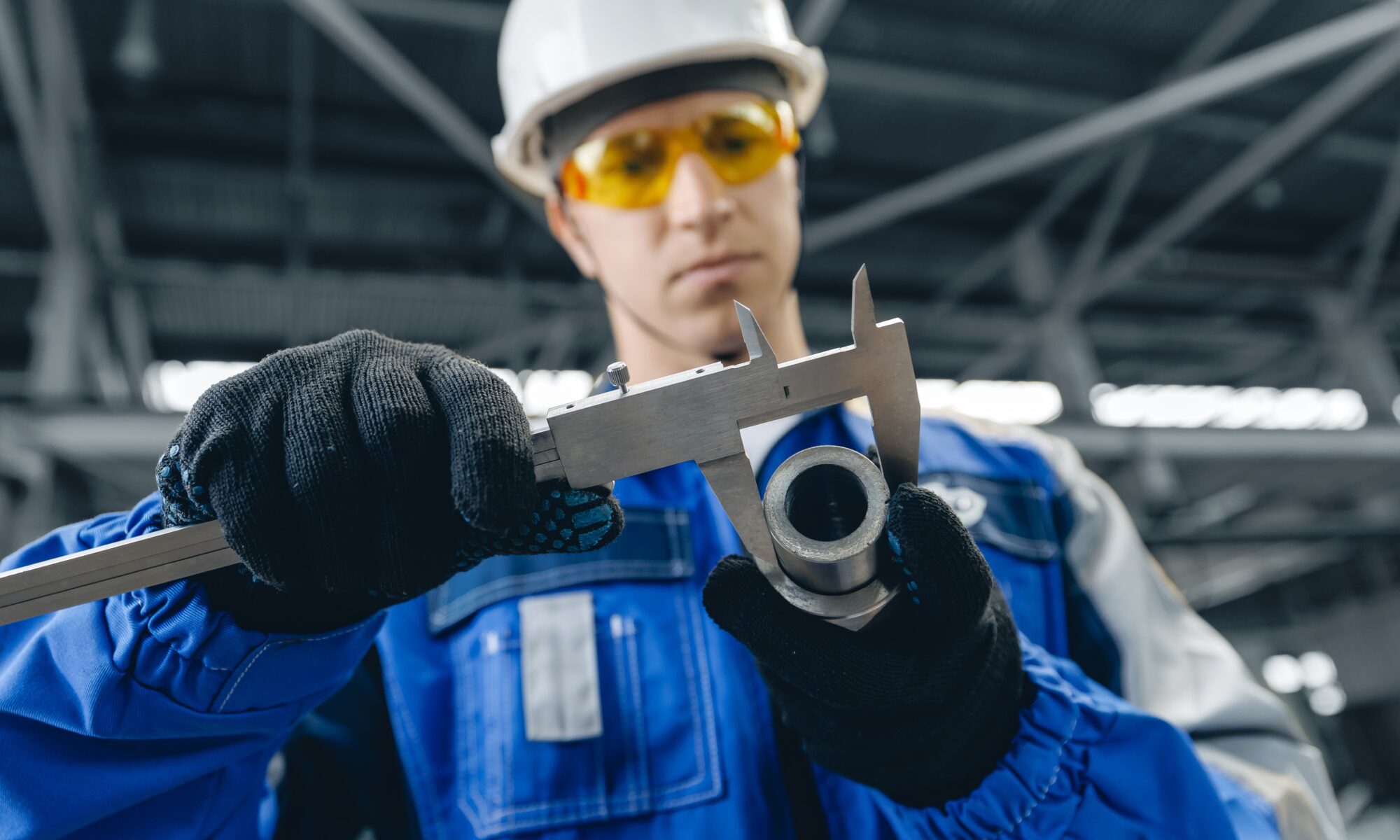
Engineering translation constitutes a central component of our technical work. Structural calculations, design descriptions, system interfaces, and technical drawings depend on consistent terminology and logical coherence. We translate engineering documentation with close attention to units, references, tolerances, and interdependencies. Each translated document is treated as part of a larger technical system rather than an isolated text. This approach minimizes risk and supports implementation in real-world conditions.
Construction and infrastructure translation reflects New York’s constant state of development. Project documentation, construction specifications, safety plans, and compliance reports circulate continuously between stakeholders. Translating these materials requires familiarity with both technical content and regulatory expectations. We translate construction-related technical texts so that scope definitions, responsibilities, and procedural requirements remain clear across languages. In a city where construction operates under intense scrutiny, ambiguity is unacceptable.
Industrial and manufacturing translation supports another layer of everyday technical activity. Production processes, equipment manuals, maintenance schedules, and quality-control documentation must be precise and actionable. We translate manufacturing-related texts with a methodical approach, ensuring consistency across document sets and preserving procedural logic. The translated documentation must support repeatable outcomes, not invite interpretation.
Information technology and systems translation plays a growing role in New York’s technical landscape. System architectures, integration documentation, cybersecurity protocols, and operational guidelines require exact language. Translating these texts involves managing specialized terminology and maintaining structural clarity. We translate IT and systems documentation so that processes, dependencies, and limitations are clearly articulated, allowing teams to operate and maintain systems confidently.
Technical regulatory and compliance translation intersects with nearly every domain. Environmental assessments, safety documentation, certification materials, and audit reports must meet defined standards. New York’s regulatory environment demands precise language and consistent terminology. We translate regulatory technical texts with an understanding of how they will be reviewed, ensuring that requirements and procedures are stated clearly and without contradiction.
Technical procurement and tender translation is another area of frequent demand. Requests for proposals, technical requirements, evaluation criteria, and supplier documentation must be translated accurately to support fair and effective decision-making. We translate procurement-related technical texts so that specifications remain intact and evaluation parameters are clearly defined, enabling informed comparison across bids.
Operational and maintenance translation underpins the long-term performance of technical systems. Manuals, troubleshooting guides, service instructions, and lifecycle documentation must be usable by practitioners under real conditions. We translate operational technical texts with attention to clarity and sequence, ensuring that instructions can be followed without hesitation. When systems are maintained correctly, language has done its job.
New York’s demand for technical translation is amplified by scale and interdependence. Technical projects here rarely exist in isolation. They intersect with legal requirements, safety considerations, financial constraints, and public oversight. Czech–English technical translation supports this complexity by enabling accurate communication between parties who rely on shared understanding to coordinate action.
Formal vocabulary is essential in this context. Technical English and Czech both rely on controlled language to limit ambiguity. We avoid stylistic variation where it could introduce uncertainty. Terms are selected deliberately and used consistently. Where definitions are required, they are preserved. Where procedures are described, they are rendered step by step. This disciplined approach ensures that translated texts remain functional.
Idiomatic language is generally avoided in technical translation, as it can obscure meaning. Where source texts contain idiomatic or informal elements, we translate their functional intent rather than their linguistic form. The objective is operational clarity, not stylistic equivalence. This restraint supports safe and effective use of the translated material.
Our technical translators approach each project with a systems-oriented mindset. They consider how documents interact, how terminology propagates, and how information will be used over time. They evaluate whether a literal translation supports function or whether restructuring is required to preserve meaning. This analytical approach allows our translations to integrate seamlessly into technical workflows.
The everyday life of Czech–English technical translation in New York is therefore defined by reliability. Documents are consulted repeatedly, sometimes years after their creation. A well-translated technical document remains valid and usable long after delivery. That longevity is a measure of quality.
Czech technical translation in New York has matured into a specialized discipline shaped by engineering practice, regulatory expectation, and operational necessity. It requires linguistic competence, subject-matter familiarity, and methodological discipline. Our translations continue in that tradition, delivering technical language that is precise, consistent, and dependable.
For clients operating within New York’s technical environment, this dependability is critical. A technical translation that performs as intended reduces risk, supports coordination, and enables progress. That is precisely what we provide: high-end Czech technical translations that respect both languages, align with professional standards, and function effectively in a city where technical accuracy underpins everything else.