
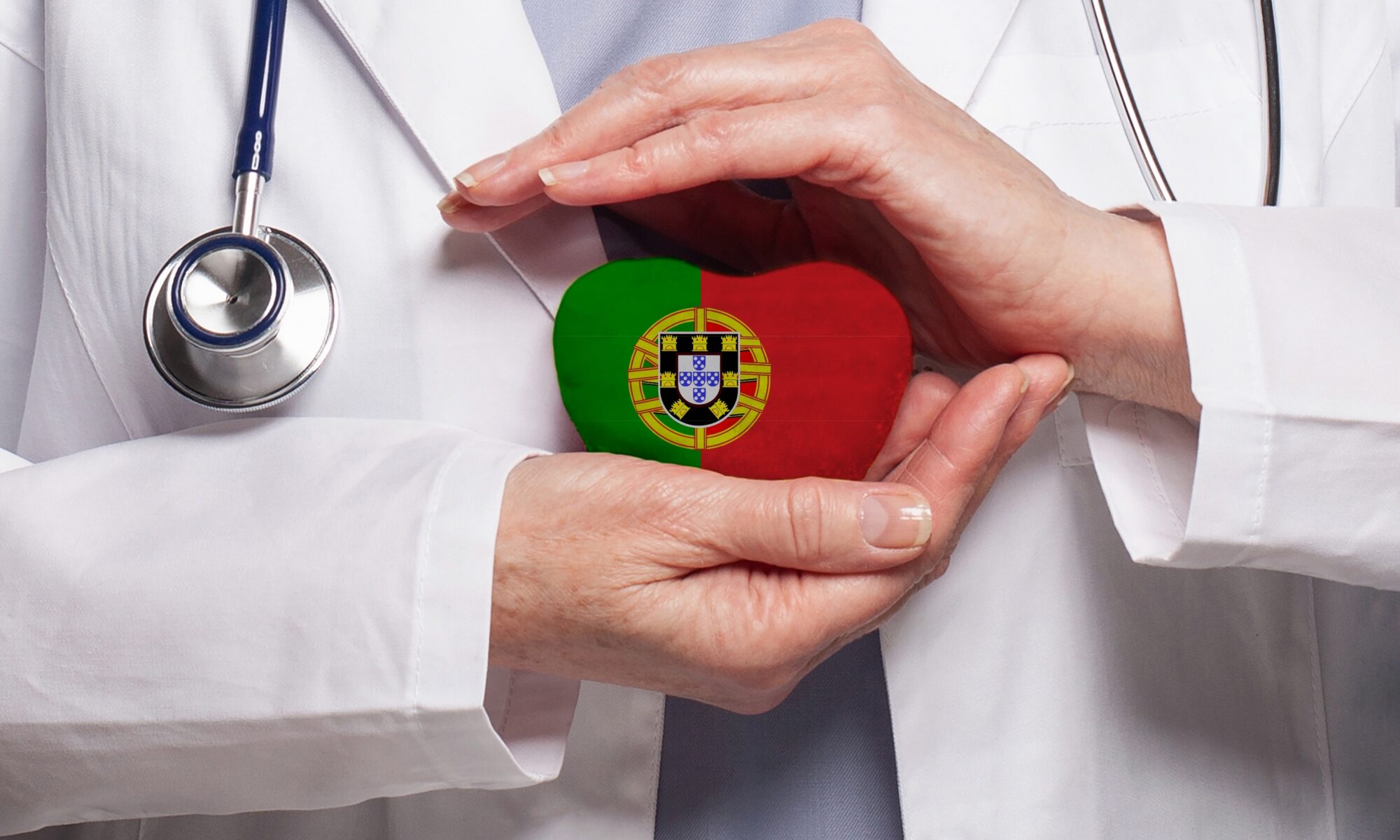
Medical Portuguese Translations in New York: Language That Works Where Care Happens
New York medicine runs at street level and stratospheric level at the same time. Ambulances pull up outside crowded emergency departments while research teams upstairs refine protocols that will circulate worldwide. Clinics operate on tight schedules, hospitals juggle compliance and care, and specialists communicate across departments that barely pause to breathe. In that environment, language is not a courtesy. It is part of clinical practice. Portuguese and English meet every day across New York’s medical system, and when they do, translation has to be accurate, fast, and grounded in real medical use. Our high-end medical translation services are built for exactly that reality. We translate from Portuguese into English and from English into Portuguese with the understanding that, in New York healthcare, words are tied directly to decisions.
Portuguese-speaking patients and professionals are not a marginal presence in the city’s healthcare landscape. They are physicians, nurses, technicians, researchers, administrators, caregivers, and patients navigating some of the most complex medical institutions in the world. Translation appears everywhere, often without ceremony: in intake forms filled out under pressure, in discharge summaries reviewed late at night, in lab reports shared between departments, and in consent documents discussed before procedures. Medical translation here is not abstract. It is woven into everyday care.
Clinical English in New York is standardized, efficient, and designed to move information quickly between professionals. Portuguese medical language, depending on background and training, may organize information differently or rely on descriptive phrasing. Translating between the two requires more than bilingual fluency. It requires an understanding of how medical information is used in practice. We translate so the text does its job in the real world, not just on the page.
Internal medicine translation forms the backbone of medical documentation. Patient histories, progress notes, diagnostic assessments, medication lists, and follow-up plans must be translated with absolute clarity. Translating these materials from Portuguese into English requires precise handling of symptoms, timelines, and clinical impressions. When translating from English into Portuguese, we ensure that explanations remain understandable to patients and caregivers without oversimplifying. In internal medicine, small details carry weight. We treat them accordingly.
Emergency medicine translation reflects the pace of care in New York’s busiest hospitals. Triage notes, incident descriptions, imaging summaries, and rapid assessments often need translation under time pressure. Translating these texts requires discipline and accuracy. We preserve clinical urgency without exaggeration and ensure that observations and interventions are conveyed clearly. In emergency contexts, language must be concise and reliable. There is no room for ambiguity.
Cardiology translation highlights the need for precision. Diagnostic reports, echocardiogram findings, catheterization summaries, treatment plans, and medication instructions must be translated accurately. Cardiovascular terminology leaves little margin for interpretation. We ensure that measurements, diagnoses, and procedural details remain intact across languages. In New York’s cardiology departments, documentation often feeds directly into long-term care decisions. Our translations support continuity and clarity.
Neurology translation demands particular care with nuance. Clinical evaluations, imaging reports, neurological exams, and treatment notes often describe subtle findings. Translating these materials requires careful attention to terminology and phrasing. We preserve distinctions between symptoms, signs, and diagnoses. When translating patient-facing materials, we ensure explanations remain clear without being alarming. In neurological care, language shapes understanding and expectations. We handle it with care.
Oncology translation reflects the complexity and sensitivity of cancer care. Pathology reports, staging documentation, treatment protocols, informed consent forms, and follow-up summaries must be translated accurately and consistently. These texts are read by multidisciplinary teams and patients facing serious decisions. Translating them requires both technical precision and sensitivity to tone. We preserve clinical detail while avoiding unnecessary harshness. In oncology, translation supports both care and communication.
Orthopedics and sports medicine translation supports another active area of New York healthcare. Imaging reports, surgical notes, rehabilitation plans, and functional assessments must be translated clearly. These documents often guide physical therapy and return-to-work decisions. Translating them requires attention to anatomy, procedural steps, and recovery timelines. We ensure that instructions remain actionable and consistent. In musculoskeletal care, clarity supports recovery.
Pediatrics translation adds another layer of responsibility. Growth charts, vaccination records, developmental assessments, and treatment notes involve both clinical accuracy and parental understanding. Translating these materials requires clarity and sensitivity. We ensure that medical information is conveyed accurately while remaining accessible to families. In pediatric care, trust is essential. Language plays a central role in building it.
Psychiatry and mental health translation demands discretion and nuance. Intake assessments, therapy notes, psychological evaluations, and treatment plans involve language that carries emotional weight. Translating these texts requires careful handling of terminology and tone. We preserve meaning without bluntness and avoid distortions that could affect care. In New York’s expanding mental health services, accurate translation supports continuity and trust.
Obstetrics and gynecology translation reflects another everyday reality. Prenatal records, ultrasound reports, labor and delivery notes, and postpartum care instructions must be translated accurately. These texts often guide critical decisions and patient understanding. Translating them requires attention to both medical detail and clarity. We ensure that timelines, risks, and recommendations are conveyed correctly. In maternal care, language directly affects outcomes.
Surgery translation underscores the importance of precision. Operative reports, anesthesia records, preoperative assessments, and postoperative instructions must be translated with exactitude. These documents are referenced repeatedly by different professionals. Translating them requires consistency and attention to procedural detail. In surgical contexts, documentation supports safety. Our translations are built to support that goal.
Beyond clinical care, medical research translation reflects New York’s role as a global research center. Clinical trial protocols, ethics submissions, investigator brochures, study reports, and publications move constantly between Portuguese and English. Translating these texts requires familiarity with research methodology and regulatory language. We preserve study design, endpoints, and findings accurately. In research, clarity supports credibility and compliance.
Medical administration and compliance translation underpins the entire system. Policies, accreditation documentation, quality assurance reports, internal guidelines, and regulatory correspondence require accurate translation. These texts are reviewed by administrators and regulators alike. Translating them requires controlled language and consistency. We ensure that obligations and procedures are conveyed clearly. In New York’s regulated healthcare environment, documentation must withstand review.
Patient-facing medical translation remains a constant demand. Discharge instructions, appointment reminders, educational materials, medication guides, and consent forms must be understandable to non-specialists. Translating these texts from English into Portuguese requires plain language without loss of accuracy. When translating from Portuguese into English, we preserve patient statements and histories faithfully. In patient care, understanding is part of treatment.
What distinguishes our high-end medical translation services is our understanding of how Portuguese and English function within New York’s healthcare reality. This is a city where clinicians read quickly and expect consistency. A mistranslated term can raise questions or disrupt care. We pay close attention to terminology, register, and flow so the translation feels natural and professional. We know when to be concise and when explanation is necessary. We do not gloss over uncertainty. We resolve it.
Our translators bring medical literacy, linguistic expertise, and professional discipline to every assignment. They verify terminology, question ambiguities, and ensure internal consistency. They understand that in New York medicine, documentation travels far beyond its original author. A translation that feels careless can ripple through departments. We take that responsibility seriously.
New York’s demand for medical translation continues to grow as healthcare systems serve diverse populations and conduct advanced research. Portuguese-speaking patients and professionals are part of that growth. Clear, accurate translation supports safe care, compliance, and communication. Our services are designed to meet that demand with rigor and care.
At its core, medical translation in New York is about supporting care through language. It is about ensuring that clinical intent, patient information, and professional judgment survive movement between Portuguese and English intact. We understand the city’s pace and its standards. We work with precision, discretion, and respect for the people behind the documents. When health is involved and clarity matters, we make sure the language holds.