
French Technical Translations in New York: Precision for a City Built on Innovation
New York runs on systems. Beneath the cultural glamour and iconic skyline lies a complex network of infrastructure, engineering, technology, and industry that keeps the city functioning around the clock. Subways, bridges, data centers, construction sites, laboratories, manufacturing hubs, clean-energy projects, and architectural firms rely on instructions, specifications, diagnostics, and protocols that must be understood without hesitation. In this environment, high-end technical translations from French into English and from English into French are not optional. They are essential for safety, efficiency, compliance, and innovation.
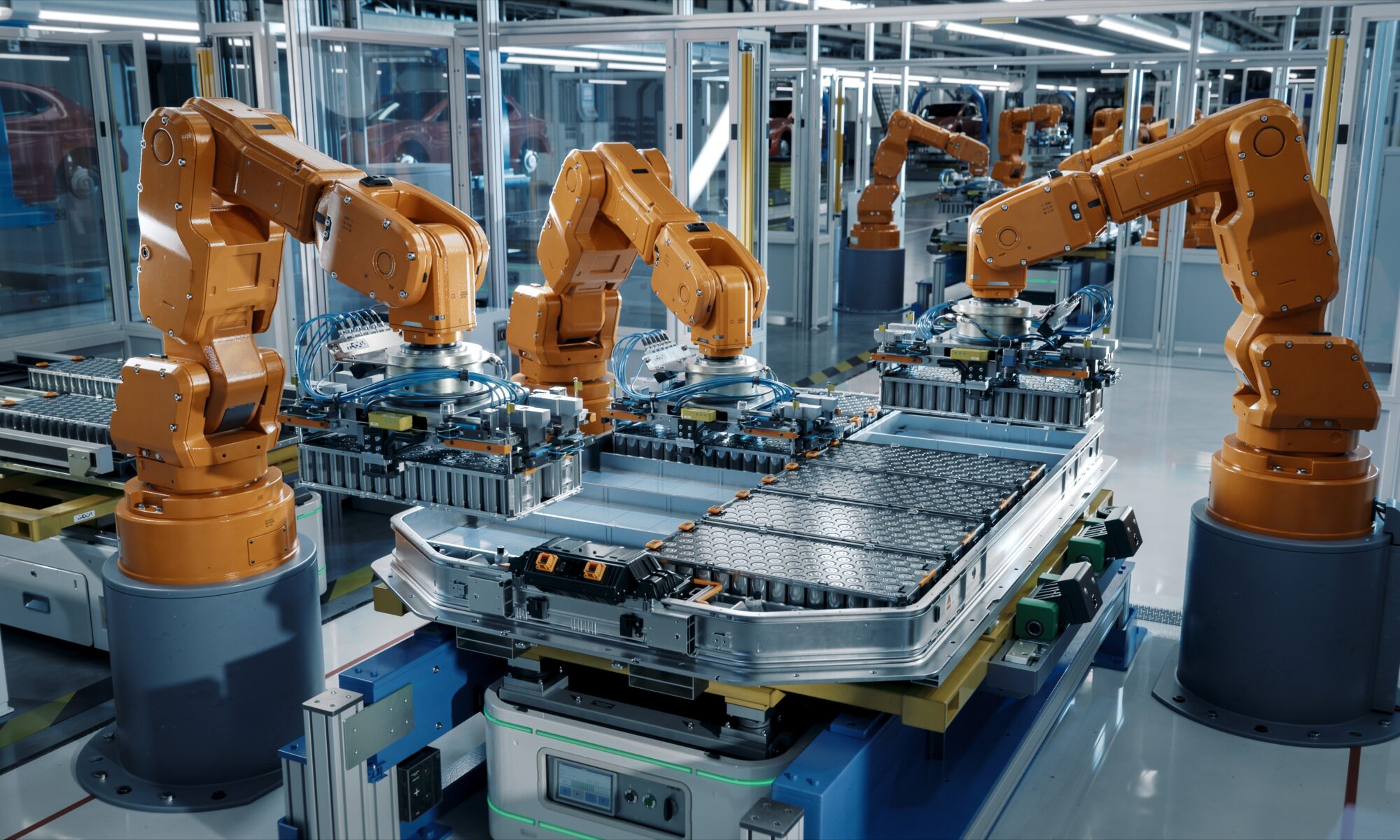
The daily technical reality of New York demonstrates this clearly. A structural engineer in Midtown might review French documentation for a load-bearing component sourced from Europe. A robotics firm in Brooklyn could need bilingual manuals to ensure technicians understand a new robotic arm down to the smallest parameter. A renewable-energy project in Queens may rely on French research regarding turbine calibration or photovoltaic optimization. A biotech facility in Manhattan might integrate French device specifications into its operational ecosystem. All these scenarios require translations that are accurate, formal, and deeply attuned to the scientific logic behind the text.
French and English have been part of New York’s technical landscape for much longer than most people realize. In the late nineteenth century, French civil engineers influenced the early planning of the city’s water system, and their reports had to be translated meticulously for New York officials. When elevated railways and later the subway system were developed, French technological innovations in steel and electrical engineering shaped the conversations between French manufacturers and New York contractors. Throughout the twentieth century, French aerospace, automotive, and industrial firms expanded operations that required bilingual technical documentation. Today, with global supply chains, collaborative engineering, and multinational R&D projects, technical translation is indispensable for maintaining the city’s forward motion.
When we translate from French into English, we apply a formal, highly structured approach that mirrors the standards of New York’s technical workforce. French technical writing often presents information through detailed theoretical framing, extensive terminology, and layered description. New York engineers, technicians, and analysts expect clarity that supports immediate application. Whether the text concerns an algorithm requiring expanded structural explanation, a mechanical blueprint calling for expanded dimensional clarification, or an industrial procedure demanding expanded safety specification, our English translation preserves conceptual rigor while improving operational readability.
Translating from English into French involves a different set of skills. Technical English in New York can be brisk, heavily abbreviated, and focused on actionable steps. French technical readers often require more explicit transitions, fuller explanations, and standardized terminology tied to French and European industrial norms. We adapt structure, refine vocabulary, and modify formatting so that French specialists receive documentation that fits smoothly into their workflow. This ensures not only comprehension but also professional credibility.
Across the city, the demand for technical translation continues to rise. A cybersecurity team in a Wall Street firm may need bilingual encryption documentation for a French software provider. A construction company building a skyscraper in Hudson Yards might integrate French engineering components whose manuals require precise translation. A clean-tech firm in Brooklyn may share bilingual reports with French research institutions studying energy efficiency. A transportation consultancy working on long-term mobility plans may compare French and American data sets that require consistent terminology. Translation helps these collaborations succeed.
We provide an extensive range of technical translation types, each supported with expanded methodology to meet field-specific requirements.
- Engineering translation requires the expanded mastery of mechanical, structural, civil, electrical, and industrial terminology. We translate schematics, blueprints, tolerance charts, feasibility studies, diagnostic reports, and materials specifications. Precision is essential, because the integrity of a system often depends on a single measurement.
- IT and software translation requires the expanded comprehension of system architecture, network configurations, operational logic, and technical workflows. We translate user manuals, API documentation, interface descriptions, data-flow diagrams, and cybersecurity guidelines, ensuring clarity for developers, analysts, and end users.
- Manufacturing and industrial translation requires the expanded analysis of production processes, automation sequences, quality assurance protocols, and equipment maintenance procedures. We translate SOPs, control plans, operational standards, machine calibration guides, and performance reports so that teams across languages follow the same specifications.
- Scientific and laboratory translation requires the expanded understanding of experimental design, instrumentation protocols, calibration steps, and analytical vocabulary. We translate lab manuals, research methods, device specifications, validation records, and procedural frameworks. Accuracy protects data integrity and research reproducibility.
- Environmental and energy translation requires the expanded articulation of regulatory frameworks, sustainability metrics, resource optimization strategies, and engineering modeling. We translate environmental impact assessments, energy audits, compliance documents, and climate research so organizations can meet international standards.
- Construction and architecture translation requires the expanded interpretation of spatial planning, zoning principles, load distribution logic, and material science. We translate planning documents, site reports, contractor agreements, building manuals, and architectural descriptions to support collaboration between firms in New York and French speaking regions.
- Transportation and infrastructure translation requires the expanded handling of safety protocols, traffic modeling, mechanical specifications, and operational planning. We translate guidelines for rail systems, aviation procedures, port operations, and roadway engineering, ensuring alignment across international partners.
- Medical device and biotech translation requires the expanded precision of mechanical function, compliance procedures, sterilization protocols, and performance testing. We translate IFUs, validation procedures, risk assessments, and design specifications so that devices meet regulatory and clinical expectations.
Across every technical field, vocabulary matters profoundly. Technical writing demands formal, exact, and consistent phrasing. We avoid colloquial expressions unless clarifying context requires them. Instead, we rely on terminology aligned with international standards such as ISO, IEC, ASTM, and domain-specific glossaries. A single ambiguous term can halt a project or introduce risk. Our translations eliminate that possibility.
At the same time, we know clarity is not simply about vocabulary. It is about structure. Technical specialists in New York want documents that guide them logically from one concept to the next. They want instructions that remove guesswork. They want specifications that align with the real constraints of their work environment. We refine organization, improve formatting, and strengthen coherence to produce documents that function as professional tools.
Clients trust our approach because we bring steadiness, methodological rigor, and an eye for detail. Technical translation requires patience and expertise. We analyze diagrams, interpret measurements, resolve terminological inconsistencies, and confirm conceptual accuracy. We read with the mindset of an engineer, not just a linguist. This allows our translations to stand firm even under demanding scrutiny.
New York’s appetite for technical innovation continues to expand. Clean energy projects grow across the city. AI labs increase their research output. Manufacturing districts evolve with more automation. Construction reshapes the skyline. Transportation infrastructure receives constant upgrades. All of this requires bilingual communication with global partners, suppliers, regulators, and research institutions.
For clients seeking French technical translations in New York, our work offers precision, professionalism, and deep subject matter awareness. We translate with the clarity that engineers need, the structure that technicians rely on, and the accuracy that regulators expect. We make sure nothing gets lost between languages, so your work remains sound, functional, and ready for real world implementation.
When your technical documentation must cross languages without compromising detail or reliability, we are here. In a city powered by innovation and exacting standards, the right translation becomes part of the infrastructure itself, supporting progress one precisely rendered sentence at a time.