
Portuguese Technical Translations in New York: Precision for a City That Runs on Systems
New York is a city engineered to function at scale. Beneath its cultural visibility lies a dense lattice of technical systems: infrastructure networks, data architectures, manufacturing processes, energy distribution, transportation logistics, and industrial controls. These systems rely on documentation that is exact, verifiable, and operationally sound. Within this environment, Portuguese and English intersect daily through technical texts that must perform reliably under scrutiny. Our high-end technical translation services are designed for that reality. We translate from Portuguese into English and from English into Portuguese with the understanding that, in New York, technical language is not descriptive alone. It is directive, procedural, and consequential.
Portuguese-speaking engineers, technicians, developers, analysts, and specialists are deeply integrated into New York’s technical workforce. They contribute to construction projects, infrastructure modernization, software development, industrial operations, telecommunications, energy systems, and advanced manufacturing. Their work generates documentation that must be understood clearly by diverse stakeholders: inspectors, project managers, regulators, operators, auditors, and end users. Translation in this context is not ancillary. It is a functional requirement. A technical document that is imprecise can slow implementation, compromise safety, or disrupt compliance. We translate with those stakes firmly in view.
Technical English as used in New York prioritizes standardization, economy of expression, and unambiguous structure. It is shaped by regulatory frameworks, industry norms, and operational necessity. Portuguese technical writing, depending on regional and sectoral tradition, may employ different syntactic patterns or explanatory sequencing. Translating between the two requires more than linguistic equivalence. It requires an understanding of how technical information is consumed and applied in real-world settings. Our translations are engineered to function seamlessly within New York’s technical ecosystems.
Engineering documentation translation forms a core part of this work. Design specifications, technical reports, feasibility studies, calculations, and system descriptions must be translated with rigorous attention to detail. These documents often support decisions involving cost, safety, and long-term performance. Translating them from Portuguese into English requires preserving logical structure, quantitative accuracy, and terminological consistency. When translating from English into Portuguese, we ensure that technical intent and operational constraints remain explicit. In engineering contexts, precision is not stylistic. It is structural.
Construction and infrastructure translation reflects New York’s constant state of development. Technical drawings, project specifications, method statements, inspection reports, and commissioning documentation circulate continuously. Translating these materials requires familiarity with construction terminology, sequencing, and contractual context. We ensure that measurements, tolerances, materials, and procedural steps are conveyed accurately. A mistranslation at this level can result in delays, rework, or disputes. Our translations are designed to integrate smoothly into project workflows without introducing uncertainty.
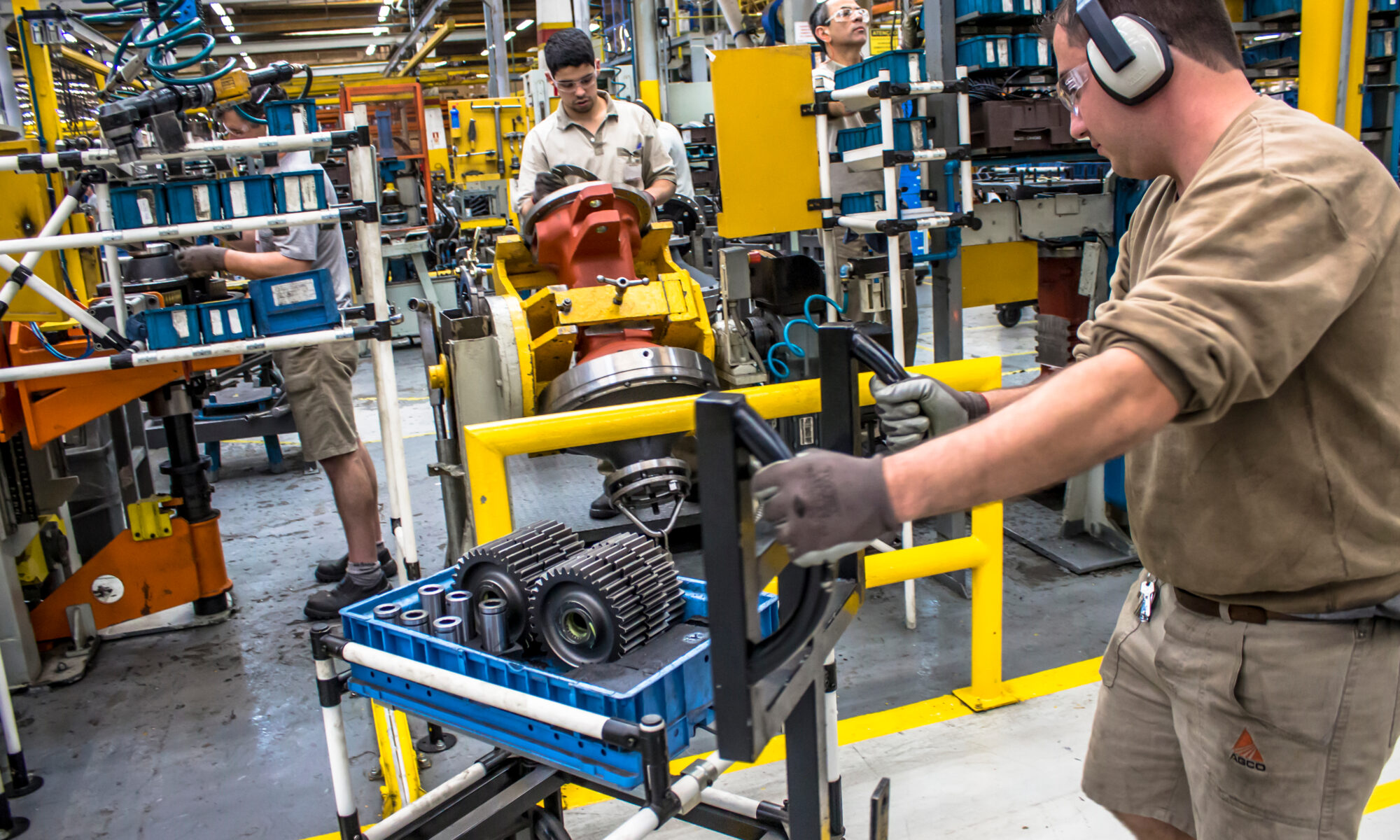
Industrial and manufacturing translation underpins operational continuity. Standard operating procedures, equipment manuals, process descriptions, maintenance schedules, quality documentation, and safety instructions must be translated with consistency and clarity. Translating these texts between Portuguese and English requires stable terminology and attention to process logic. We preserve step-by-step sequencing and operational constraints so instructions remain executable. In New York’s industrial environments, documentation is not static. It is referenced repeatedly by teams working under time pressure. Our translations are built to withstand repeated use.
Information technology and systems translation reflects the city’s reliance on complex digital infrastructure. System architectures, technical specifications, software documentation, configuration guides, cybersecurity policies, and internal technical manuals circulate across organizations. Translating these materials requires fluency in technical concepts and structured communication. We ensure that system dependencies, workflows, and constraints are described clearly. When translating from Portuguese into English, we align language with established IT documentation standards. When translating into Portuguese, we preserve clarity without unnecessary abstraction. In technical systems, ambiguity introduces risk.
Telecommunications and network translation highlights another layer of technical complexity. Network designs, installation guidelines, performance reports, compliance documentation, and troubleshooting manuals require precise language. Translating these texts between Portuguese and English demands consistency and attention to technical detail. We ensure that parameters, thresholds, and procedures are conveyed accurately. In a city where connectivity is critical, documentation must support reliability. Language should never be a point of failure.
Energy and utilities translation reflects New York’s scale and regulatory oversight. Documentation related to power generation, distribution systems, renewable integration, maintenance protocols, and compliance reporting must be translated with care. Translating these materials requires understanding technical terminology alongside regulatory context. We preserve operational detail and procedural clarity so the translated text can be used confidently by engineers, inspectors, and operators. In energy systems, documentation supports safety and continuity. We treat it accordingly.
Transportation and logistics translation underscores the city’s dependence on coordinated systems. Technical manuals, operational guidelines, safety procedures, signaling documentation, and maintenance records must be translated accurately. These texts often support real-time decision-making. Translating them requires clarity and restraint. We ensure that instructions and specifications remain actionable. In transportation contexts, misinterpretation can have immediate consequences. Our translations minimize that risk.
Environmental and sustainability translation reflects growing technical demand. Environmental impact assessments, monitoring reports, compliance documentation, technical studies, and sustainability protocols circulate regularly. Translating these texts requires familiarity with scientific terminology and regulatory language. We ensure that methodologies, findings, and mitigation measures are conveyed accurately. In New York, where environmental compliance is closely monitored, technical documentation must be defensible. We make sure the translation supports that standard.
Technical safety and compliance translation occupies a critical space. Safety manuals, risk assessments, hazard analyses, incident reports, and regulatory submissions must be translated with absolute precision. These texts are often reviewed by authorities and auditors. Translating them requires adherence to established terminology and formal structure. We preserve warnings, instructions, and classifications exactly as intended. In safety-related documentation, clarity is non-negotiable.
Product and equipment documentation translation supports global technical operations. User manuals, installation guides, technical datasheets, calibration instructions, and troubleshooting documentation must be translated so end users can operate equipment correctly. Translating these texts requires attention to audience and context. We ensure that instructions are clear, concise, and consistent. In New York’s diverse technical landscape, documentation must be usable by professionals with varying backgrounds. We translate with that diversity in mind.
Internal technical communication translation often operates behind the scenes. Technical training materials, internal guidelines, process updates, and cross-departmental documentation circulate continuously. Translating these texts requires clarity and practicality. We focus on making information immediately usable. In fast-paced technical environments, documentation must support action rather than explanation alone. Our translations are designed to do exactly that.
What distinguishes our high-end technical translation services is our understanding of how Portuguese and English function within New York’s technical reality. This is a city where documentation is read critically and applied directly. A translation that feels imprecise can undermine confidence across an entire project. We pay close attention to terminology, structure, and register so the translated text feels native to its technical context. We know when to adhere strictly to standards and when controlled adaptation is required. We do not improvise where accuracy is paramount.
Our translators bring technical literacy, linguistic expertise, and professional discipline to every assignment. They examine documents holistically, resolve ambiguities, verify terminology, and ensure internal consistency. They understand that in New York’s technical sectors, reliability is cumulative. A single careless translation can slow operations or complicate compliance. We take that responsibility seriously and work methodically, even under tight timelines.
New York’s demand for technical translation continues to expand as systems become more complex and more interconnected. Infrastructure modernization, digital transformation, and regulatory oversight all increase reliance on precise documentation across languages. Our services are designed to meet that demand with rigor and consistency.
At its core, technical translation in New York is about operational integrity. It is about ensuring that systems, processes, and instructions remain intact as they move between Portuguese and English. We understand the city’s pace and its standards. We work with precision, structure, and respect for the material. When technical clarity matters and performance depends on language, we make sure the translation does its job.