
Technical Polish Translations in New York: Precision for a City Built on Rules, Systems, and Standards
New York is often described as fast, loud, and creative, but underneath that surface lies something far more disciplined. The city runs on specifications, regulations, protocols, and enforceable rules. From infrastructure and energy to data systems and industrial processes, New York depends on technical language that must be exact, repeatable, and defensible. In this environment, technical Polish translations in New York are not about style. They are about alignment between systems that cannot afford misinterpretation.
Our high-end technical translations from Polish into English and from English into Polish are designed for New York customers who operate where engineering, compliance, and regulation intersect. We translate for environments in which documentation is not read once and forgotten, but implemented, audited, referenced, and sometimes litigated years later. Here, technical language does not just describe reality. It governs it.
The everyday reality of Polish–English technical translation in New York is shaped by convergence. Technical documents rarely exist in isolation. They sit at the crossroads of engineering practice, regulatory oversight, contractual obligation, and legal accountability. A single technical report may need to satisfy engineers, inspectors, regulators, insurers, and attorneys. Translation must therefore preserve not only technical meaning, but regulatory and legal coherence as well.
This is where technical translation quietly overlaps with law. In New York, technical documentation is inseparable from legal frameworks. Building systems are governed by construction law. Software platforms operate under data protection and cybersecurity law. Energy systems fall under environmental and administrative law. Medical devices interact with health law and product liability. High-end technical translation must account for these realities, because technical language often carries legal consequences.
Engineering and infrastructure translation forms a major part of this demand. We translate civil, structural, mechanical, and electrical engineering documentation including specifications, design reports, calculations, inspection records, and technical correspondence. These texts are frequently reviewed under construction law and municipal code enforcement. Our translations preserve measurement standards, technical terminology, and procedural clarity so documents remain compliant with New York’s regulatory environment.
Construction and building systems translation reflects the city’s constant development. We translate construction specifications, method statements, site instructions, safety documentation, and compliance records. These documents operate within zoning law, construction law, occupational safety regulations, and administrative oversight. Our translations ensure that technical instructions remain unambiguous and legally defensible when reviewed by inspectors or agencies.
Energy and utilities translation reflects another tightly regulated technical domain. We translate documentation related to power generation, distribution networks, renewable energy systems, environmental monitoring, and maintenance procedures. These texts interact directly with environmental law, energy regulation, and administrative law. Our translations preserve technical accuracy while aligning terminology with regulatory expectations, ensuring that documentation supports compliance rather than undermines it.
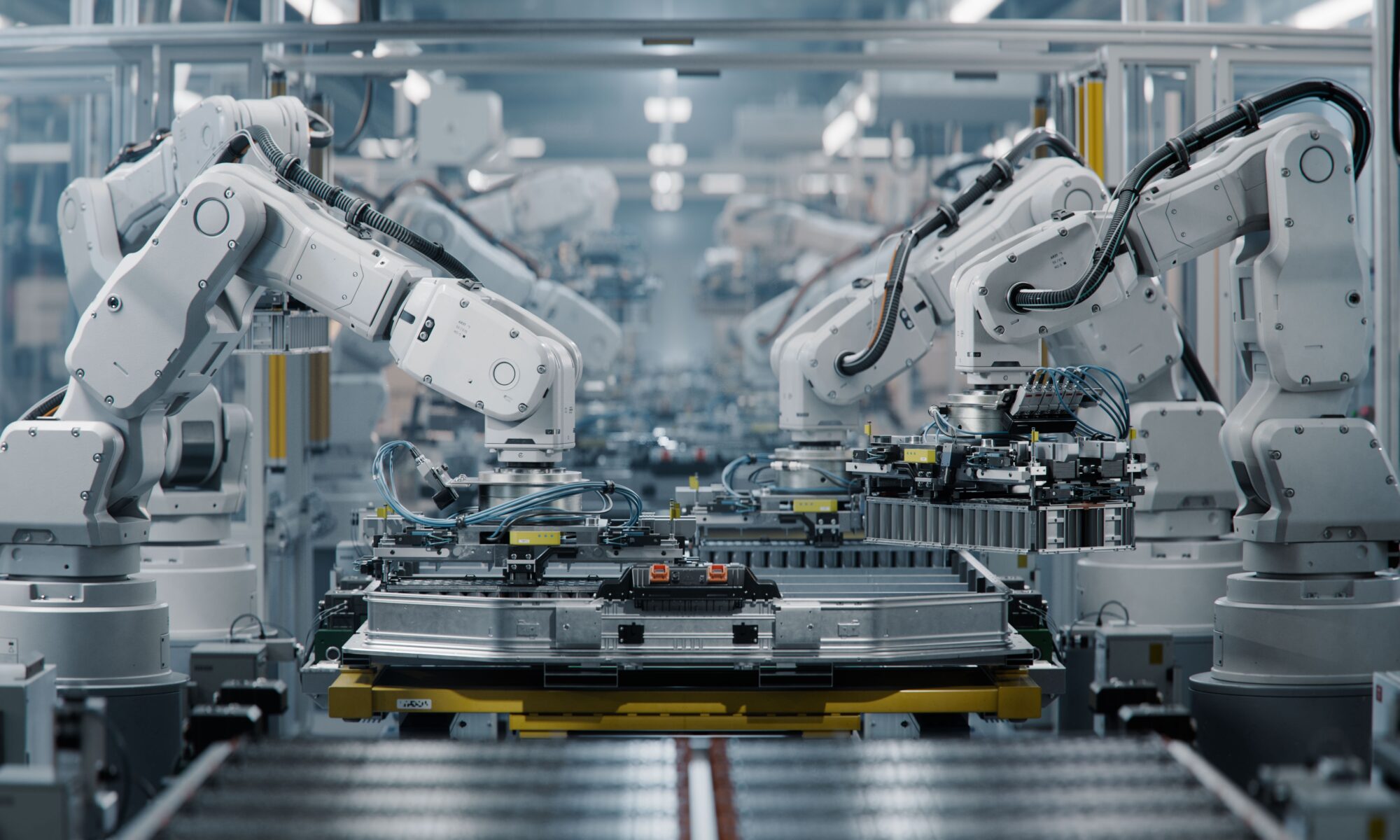
Manufacturing and industrial process translation supports New York’s supply chains and specialized production facilities. We translate process descriptions, standard operating procedures, equipment manuals, quality control documentation, validation protocols, and audit materials. These texts are often examined under product liability law, commercial law, and regulatory compliance frameworks. Our translations maintain consistency and traceability so processes can be verified and defended.
Information technology and software translation reflects the digital infrastructure that underpins modern New York. We translate system specifications, software documentation, user manuals, API descriptions, configuration guides, and technical policies. These texts intersect with intellectual property law, data protection law, cybersecurity regulation, and contract law. Our translations preserve functional clarity while ensuring that legal and technical meanings remain aligned.
Automation and control systems translation supports industrial and building automation across the city. We translate control logic descriptions, system architectures, operational manuals, maintenance documentation, and interface descriptions. These texts often play a role in safety regulation, liability assessment, and contractual performance. Our translations ensure that operational intent is preserved across languages without introducing ambiguity.
Transportation and logistics translation reflects the city’s dependence on coordinated movement. We translate technical documentation related to transportation systems, logistics platforms, fleet management, infrastructure maintenance, and operational safety. These texts operate within transportation law, administrative regulation, and contractual frameworks. Our translations preserve procedural clarity so systems function as designed.
Environmental and sustainability translation reflects New York’s regulatory emphasis on environmental responsibility. We translate environmental impact assessments, monitoring reports, emissions documentation, sustainability studies, and compliance records. These texts are reviewed under environmental law and administrative enforcement. Our translations preserve technical data and methodological descriptions so findings remain credible and defensible.
Telecommunications and network infrastructure translation supports another layer of technical reality. We translate network designs, equipment documentation, technical standards, maintenance procedures, and compliance materials. These texts interact with regulatory law, licensing requirements, and contractual obligations. Our translations maintain terminological precision so systems remain interoperable and compliant.
Medical and laboratory technology translation bridges healthcare and engineering. We translate documentation related to medical devices, diagnostic equipment, laboratory systems, and technical healthcare infrastructure. These texts operate under health law, product regulation, and liability frameworks. Our translations preserve technical accuracy so devices and systems are used, maintained, and assessed correctly.
Across all these technical domains, legal frameworks are never far away. Technical documentation frequently interacts with at least ten branches of law that shape how language must function:
- Construction law, governing building standards and site documentation
- Administrative law, shaping how agencies review and enforce compliance
- Environmental law, regulating impact assessments and monitoring
- Product liability law, assessing responsibility for technical failures
- Health and safety law, governing operational procedures and risk mitigation
- Intellectual property law, protecting technical designs and software
- Data protection and cybersecurity law, shaping IT documentation
- Commercial and contract law, defining technical performance obligations
- Transportation law, regulating systems and infrastructure
- Insurance law, determining how technical documentation is interpreted after incidents
High-end technical translation must account for this legal ecosystem, even when the document itself appears purely technical. A mistranslated term can alter how responsibility is assigned or how compliance is assessed.
Certified technical translation is often required in this context. Regulatory submissions, inspection files, equipment certifications, court proceedings, and official audits frequently require certified translations. We provide certified technical translations that meet formal standards, ensuring acceptance by authorities, regulators, and institutions without delay.
What distinguishes professional technical translation from general translation is functional responsibility. Technical language is constrained by standards, norms, and legal consequences. Synonyms are rarely interchangeable. Structure conveys procedure. Terminology carries institutional meaning. We translate with restraint, ensuring that clarity and accuracy take precedence over stylistic variation.
New York’s demand for Polish technical translations continues to grow as infrastructure modernizes, technology evolves, and international collaboration deepens. Cross-border engineering projects, multinational manufacturing, global software development, and regulatory complexity have increased the volume and importance of technical documentation moving between Polish and English.
Our translators are experienced professionals with technical backgrounds and regulatory awareness. They understand Polish and American technical English as it is actually used in New York’s professional environments, not as abstract terminology lists. They know how technical documents are implemented, inspected, audited, and sometimes challenged. They translate with awareness of downstream use and accountability.
Confidentiality and procedural care are fundamental. Technical documentation often contains sensitive commercial, operational, or security-related information. We handle every project with discretion and robust safeguards.
The strongest technical Polish translations in New York do not draw attention to themselves. They integrate seamlessly into systems, workflows, and compliance processes. They are implemented without hesitation, reviewed without confusion, and relied upon without question.
In a city where systems must work and rules must be followed, language cannot afford to drift. Our technical Polish–English and English–Polish translations are built to meet that standard, delivering precision, consistency, and reliability for New York’s most demanding technical environments.